|
|
|
Parts Inventories from overstocked or closing Sea Doo shops. If you have parts or know of a Sea Doo dealer in your area that is closing, contact me at OSDparts.com with the details.
ALSO WANTED |
|
|
|
OSDparts Items
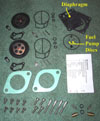 Complete Carb Rebuild Kits For Sea Doo Hard to read?  Check out this Gauge repair kit! 1995-up Sea Doo?  NEW Button Kit Is now available!  Fits Most 2 Stroke Carb Sea Doos 1995-1997 Sportster MPEM Conversion 1995 Speedster MPEM Conversion 1996 Speedster MPEM Conversion 1997 Speedster MPEM Conversion 1997 Challenger MPEM Conversion
Complete Pump Housing Kits! |
|
New Parts (OSD)
Accessories & More
|
|
Technical Info
787/947 CB Reservoir Oil
|
|
Sea Doo Tips
electrical system damage NEVER jump start your ski with a running vehicle!!
Change your pump oil
Battery dying in your Trim
Every time you have
Save money and time
|
| The area above is always changing so check back often as links are added. |

Sea Doo Model Reference (1988-2010)
This page hopefully describes in detail from beginning to now all Sea Doo models, their benefits, features, and any positive and negative about each model. Note also that occasionally below I've interjected my opinions about models and/or the direction the industry is headed and they're just that... only my opinions. Since I'm putting this together from memory there may be some errors so if you see one (or more), please point them out! If you have anything to contribute to the page, please feel free to e-mail me!
At some point I also plan to have a chart that shows all specs including hull design and more for all years and if I do, a link will be posted on this page. In the mean time, my Fuel Economy Chart has specs and info for many models.
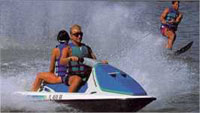
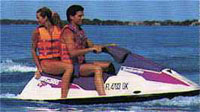
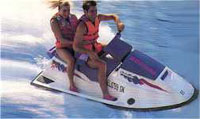
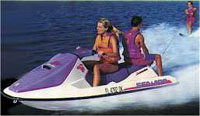
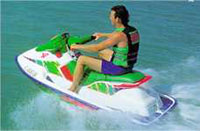
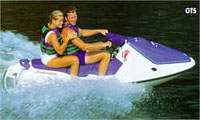
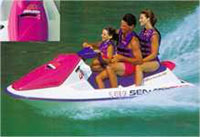
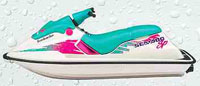
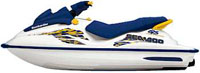
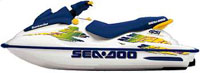
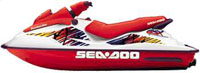
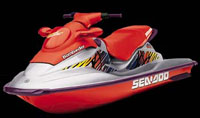
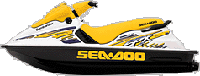
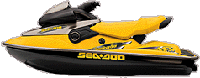
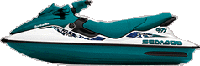
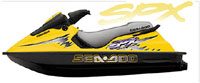
Although the first Sea Doo watercraft really appeared in 1968, for our purposes, we'll be starting with 1988 since that's the first year for the "modern" Sea Doo PWC. Also, if you hold your mouse over an image without clicking, it should display the year and model to help with identifying the pictures.
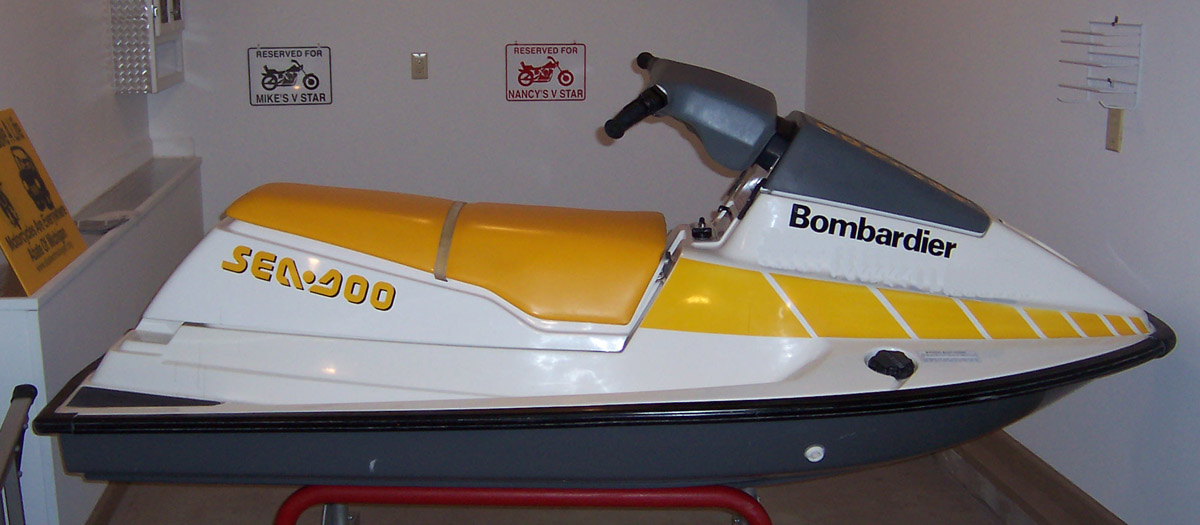
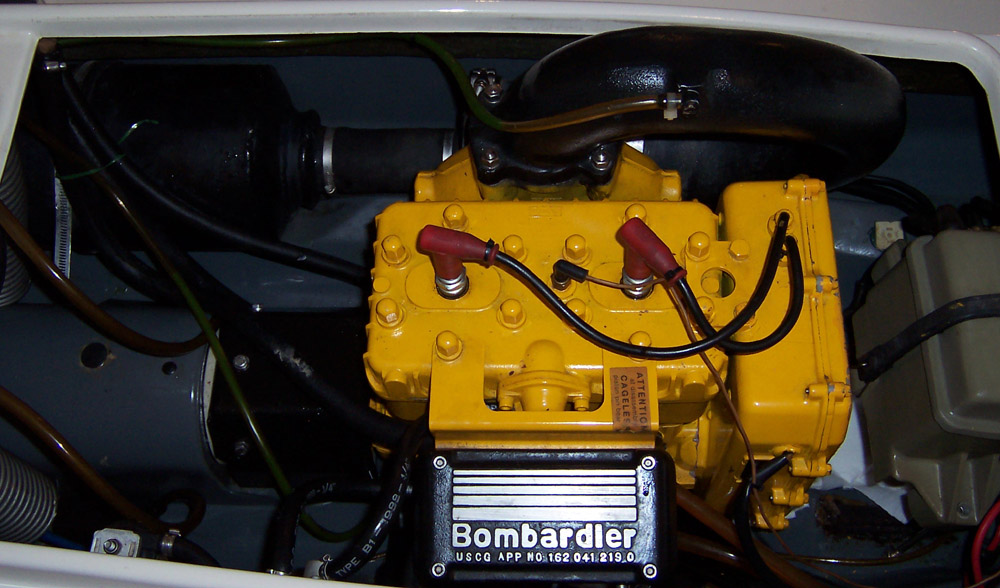
1988 Although I don't recall ever seeing one, Sea Doo first "arrived" in 1988 with a unique hull design and seat that opened different than the 1989 and up. It was equipped with the 587 Yellow motor which was in all Sea Doos from 1988 to 1991. The SP is technically a 2 passenger machine although that hull was pretty tippy with anything more than a couple kids onboard. I would guess not many were sold since they're pretty scarce compared to the 1989 SP. The person below sent me the pictures and info on his really nice 1988 so I added it below. If anyone else has one of these, info on it, or pictures of them, I would love to add it to this page too!. "You stated that you had not seen and did not have a picture of a 1988 first year Model 5801. I was a July 1988 purchaser of the first year model and still have it. It has not been stored and has been used every summer since 1988. It is original (except for batteries and impeller) and the engine is completely original (rings, pistons, etc.). I have used BRP two stroke oil exclusively and the heads of the pistons are clean and carbon free. The 1988 had a rear hinged seat with piston support that opened clam shell style rather than coming off like the 1989. I have attached photos taken last year of the 1988 and the engine. It is literally showroom." - YOU WEREN'T KIDDING! SEE THE PICTURES BELOW.
12/2017 - I now have a 1988 in pretty good condition too and will be posting pics soon.
1989
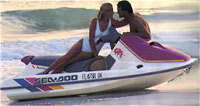
The 1989 SP had a new engine access design which Sea Doo will stick with on all future models. It features a removable seat that comes off to access the engine and electrical. Sea Doo will stick with this "squared off" hull design on the SP through 1993. 1990
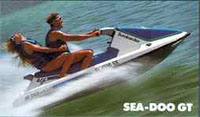
In 1990 Sea Doo kept the SP in the lineup and also introduced the first 3 passenger GT model which featured a basically smooth hull which was fun for spins, but also could get pretty unstable with three. Since it had the 587 (twin carb), it also wasn't the most powerful or fast but the old 587 was pretty indestructible. The GT also was the first time Sea Doo introduced the reverse feature on a ski. 1991
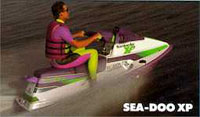
In 1991, the SP and GT (basically the same machines as 1990) were in the lineup, plus the XP makes it's first appearance. The XP was basically the SP hull with the Twin Carb 587 installed. The XP hull did feature a hood with mirrors for the first time. Sea Doo also finally added a grab handle to the SP which really helped with reboarding! 1992
In 1992, the white 587 engine makes its' first appearance and the yellow one is history. All models in 1992 are equipped with the 587. The SP and XP basically were the same as 1991, but the XP now shows the first appearance of trim, although manual for this year. 1993
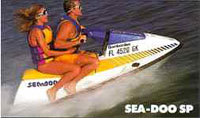
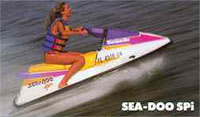
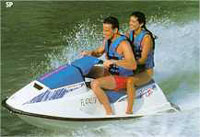
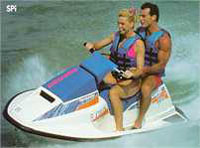
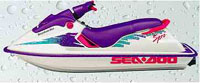
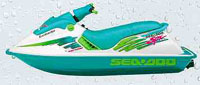
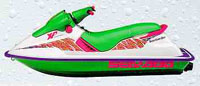
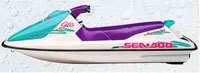
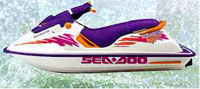
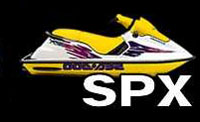
In 1993, we see the first larger cc engine with the 657 in the XP. The XP also features a new design hull and rounded more modern body pieces as well. A pump with more durable bronze vanes also was used on the XP. The 1993 XP is the first to have electric trim available as well. In 1993 the SPX (587 dual carb), which was basically the 1992 XP, is in the lineup. Sea Doo continued to do that with the SPX for most of the ‘90s as well. The SP (587 single carb) was offered as well as the SPI (587 single carb) which had a stainless impeller and a different pipe. 1994
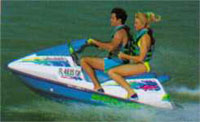
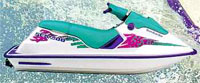
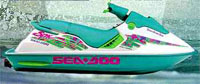
In 1994 we really start seeing Sea Doo update the design on the new models. The SP (587 single carb) and SPI (587 single carb) are again offered and were popular in the rental field. They also offered the SPX (657 dual carb), which was basically the 1993 XP. The XP for 1994 featured the 657X engine that had more hp than the standard dual carb 657. As far as features go though, the 1994 XP was pretty much the same as the 1993. They also offered an XPI (657 dual carb) but I can't remember what differentiated it from the XP. 1995
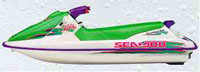
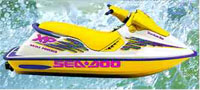
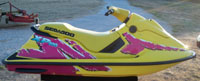
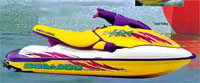
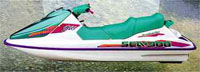
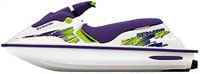
In 1995 we get our first glimpse of two new larger engines when the 717 and 787 make their first appearance. The SP (587 single carb) and SPI (587 single carb) are in the lineup once again. The SPX (657X engine) is once again basically the 1994 XP with different colors. 1996
In 1996, the 657 engine is totally phased out and won't be seen again in a PWC. This year, we also see Sea Doo switching to the DESS ignition system which lots of people have varying opinions on. It allowed for better monitoring of the Sea Doo engine functions as well as security, but also makes the MPEM dramatically rise in replacement price. Now you need to take it to the dealer if you lose your lanyard as well. 1997
In 1997 the original 587 engine that started it all is totally phased out and won't be seen again in a PWC. New this year though is the release of the 130hp Rotax 2 cylinder 947 RAVE engine, the largest of all the two stroke Sea Doo engines and the most horsepower per cc of any PWC engine out there! 1998
In 1998 we lose some models, but in exchange get the new 787 RFI Fuel Injected RAVE engine. Due to new stricter environmental rules, the push from now on will be towards more fuel efficient, less polluting PWCs. 1999
In 1999, not much new comes out probably due to Sea Doo putting all its' efforts into the upcoming 2000 models. 2000
In 2000 we get a whole bunch of new models, a new DI engine and some bold graphics to let you know they're a 2000 model. As said previously, my guess the lack of new models in 1999 was so they could hit us with all these cool skis for the new millennium! 2001
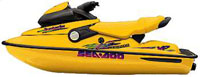
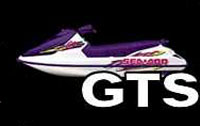
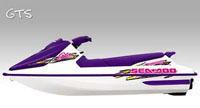
In 2001, this is the last year we see the 717 GTS that used the old style hull (1990-2001) (possibly actually phased out in 2000). 2002
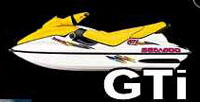
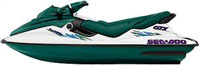
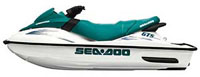
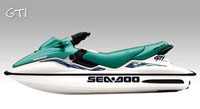
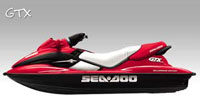
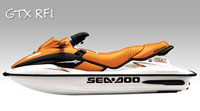
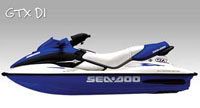
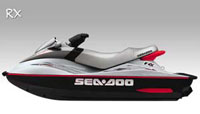
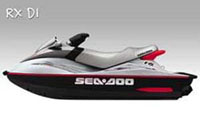
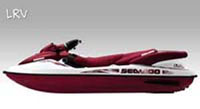
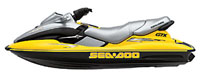
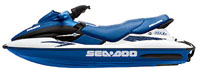
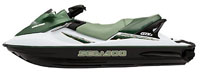
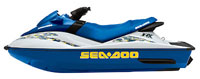
In 2002, we see the first of what will become the base of all Sea Doo power to come. I'm referring to the 1503 4-TEC 3 Cylinder 4 Stroke engine. We also see the OPAS (Off Power Assisted Steering) first this year as well on the GTI LE (717) and the GTX 4-TEC. This year, we still have many of the same 2 strokes including the GTI, GTX, GTX RFI, GTX DI, RX DI, RX, and XP. The GTI LE is basically the GTI but with a different hull featuring OPAS. The 2002 GTI LE, GTX DI and GTX 4-TEC also now use a different design upper hull utilizing a new style hood and different seat design than 2002. New this year also is the LRV DI. 2003
In 2003, we see the first Supercharged 4-TEC in the GTX model. We still have the GTI (717) and the more optioned GTI LE (717) as well as the new GTI LE RFI (787 RFI). We also still have the standard 155hp GTX 4-TEC, GTX DI, RX DI and XP DI and LRV DI. This is the last year though for the LRV due to poor sales I would imagine. This is also the last year for the RX model. 2004
In 2004, we start to see the direction Sea Doo and most of the PWC industry is headed with more 4 strokes and less 2 strokes in the lineup. This is the first year for the new Supercharged RXP, which I would guess was meant to be the replacement for the 130hp RX model. What a replacement! 2005
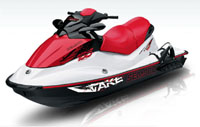
In 2005, we still have the GTI (717), GTI LE (787 RFI), and GTI LE RFI (787 RFI) models as well as the GTX 4-TEC and Supercharged models. A new model to appear is the GTX (4-TEC) Wake model which is set up for wakeboarding and similar activities. 2006
In 2006, you really start to see the way Sea Doo is headed with the emphasis on 4 stroke models. All 2 strokes have been eliminated with the exception of the 3D, which now has the more powerful 947 DI installed. 2007
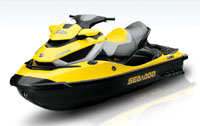
In 2007, all models from 2006 are offered but in different colors than last year. The only real new addition is a 155hp RXP which has been a big debating point on the many Sea Doo forums. It's a bit like putting a V6 in a Corvette, but those who are less experienced riders would most likely benefit from the less powerful model. The RXP (maybe RXT too) does have a change to the steering column making it more vertical and people say that's an improvement. This is the last year for the poor selling 3D DI too although from what I've read, anyone who has actually owned or rode one loves them! A salute and RIP to the two strokes that started it all! 2008
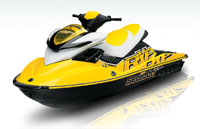
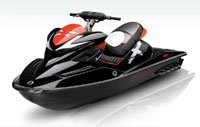
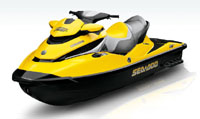
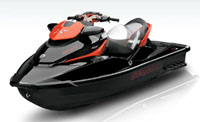
In 2008 BRP hits us again with two new models... the RXP-X and the RXT-X. These have an incredible 255hp and are the most powerful PWCs ever. I believe Sea Doo picked the 255hp option to combat Yamahas 250hp ski and these new models blow any other ski away for acceleration, handling and features. From 0 to 50mph in 2.9 seconds, you almost need a seat belt! 2009
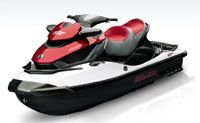
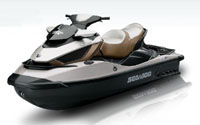
In 2009 there isn't much change in the lineup or performance with the exception of the new iS concept. The iS stands for "Intelligent Suspension" and from what I hear, it offers an incredible ride. Although the new GTX Ltd iS is a really incredible state of the art craft with intelligent suspension, intelligent throttle, and even brakes, it seems to me that Sea Doo is trying to make an idiot proof ski anyone can ride. I've found though it's much better to keep the idiots off the water than giving someone with no common sense or skill a product that's easier to operate. From what I see too, this outrageously expensive ski looks like a nightmare to repair if it breaks so make sure you get an extended warranty if you're planning on buying this $16,500 machine! 2010
In 2010, the lineup is pretty much the same as last year but with the addition of the RXT iS 260. The GTX iS also is now also 260hp. Not sure where the extra 5hp was found but it's once again probably a bragging thing. Not sure why they didn't give the RXP-X the 260hp badge but maybe they're saving that for 2011.
What's up with these prices?!! The GTI and the GTI SE are now the only skis left that are below $10,000. Aren't manufacturers paying attention to the economy? We can't afford these crazy prices these days! Gone are the days of a $5000 ski and even used 4 stroke ski is priced crazy. The cost of a PWC these days now seems to be getting way out of the reach of pretty much anyone except those with exceptional credit. As many people have found out too, the banks aren't giving out that stimulus money they got from us. The only good thing about these high priced new models is they're fueling the resurgence and resurrection of the 'ol 2 stroke smokers and I like that! As I said at the beginning, since I'm putting this together from memory there may be some errors so if you see one (or more), please let me know! If you have anything to contribute to the page, please feel free to e-mail me!
|